

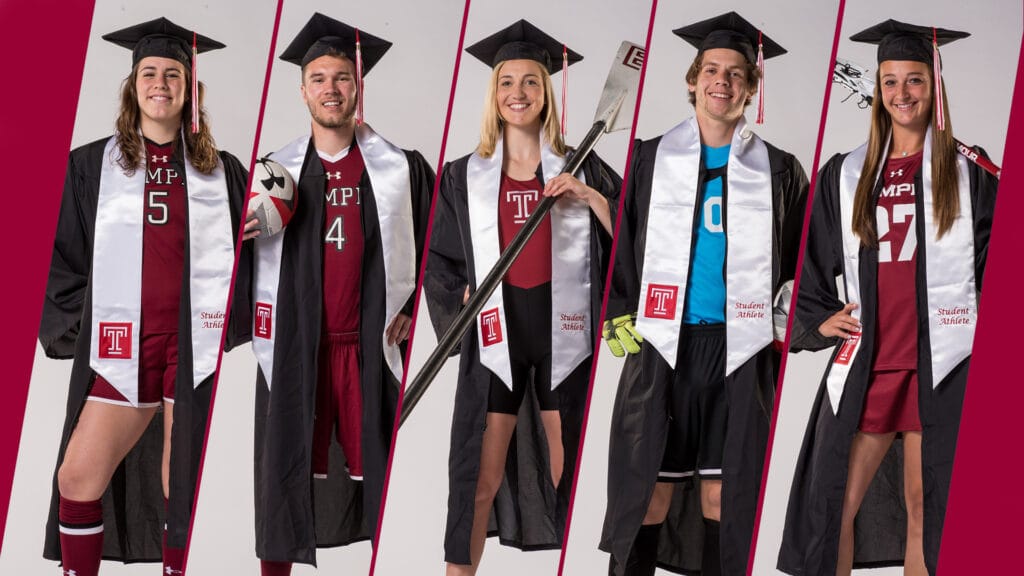
In most European countries, academics and competitive sports exist in separate spheres. Students pursue degrees at colleges or universities while competing for local sports clubs during evenings or weekends. A notable exception is the United Kingdom, where university athletics play a considerably larger role than in most other European nations. (Read our guide on studying and competing in the United Kingdom). In the United States, the structure is fundamentally different. Intercollegiate athletics form an integral component of university life. Students represent their university in athletic competitions, balancing degree coursework with daily practices, contests, and travel nationwide. A student-athlete is an individual admitted to a US university sports program who simultaneously pursues a full-time academic degree. You are both a competitor and a full-time student, which is why the word student always precedes athlete.
Student first, athlete second
The order of terms is deliberate. In the US collegiate system, academics take precedence. US college athletic associations—such as the NCAA, NAIA, and NJCAA—enforce clear academic eligibility requirements for every student-athlete.
Being a student-athlete requires far more than athletic talent. It demands balancing lectures, practice sessions, travel, coursework, and competitions daily.
To remain eligible for competition (eligible), student-athletes must meet minimum academic standards by completing a designated number of credit hours each semester while maintaining a required Grade Point Average (GPA). Falling below these academic thresholds results in temporary suspension from athletic participation (academic probation).
Universities invest heavily in academic support services, providing dedicated tutors, mandatory study halls, and specialized academic advisors to ensure student-athletes succeed in the classroom and in competition.
Why do so many athletes choose the US?
The American system is unique because virtually all aspects of your athletic and personal development are centralized on a single campus. You attend lectures, train, eat, reside, and study in one community. Coaches, athletic trainers, academic advisors, and professors collaborate closely.
Key advantages include:
- World-class, olympic-tier athletic facilities;
- Dedicated medical, physical therapy, and academic support;
- Athletic scholarship and academic grant opportunities;
- An environment designed to harmonize academics and high-level athletics.
This comprehensive support structure makes studying in the US an attractive pathway for international recruits.
Read more about living on an American campus
What does a typical day look like for a student-athlete?
Schedules vary across sports and universities, but the following daily overview illustrates a typical routine on campus:
- 07:00 – 08:30: Early morning team practice or strength and conditioning session.
- 08:30 – 09:30: Team breakfast at the campus dining hall.
- 09:30 – 12:30: Attending academic lectures and seminars on campus.
- 12:30 – 13:30: Lunch break at the dining hall.
- 14:00 – 17:00: Main team practice session, followed by sports medicine recovery with the athletic trainer.
- 17:30 – 18:30: Dinner at the dining hall.
- 19:00 – 21:00: Independent study time, coursework, or mandatory study hall hours.
- 22:00: Rest and recovery for the following day.
Want to know what daily life looks like in your specific sport? Explore our dedicated sports overview pages to read about training demands, competition schedules, seasons, and sport-specific routines.
More than just athletics
Being a student-athlete extends far beyond match performances. Throughout your collegiate career, you develop essential life skills that serve you long after graduation.
Beyond gaining fluency in English, you master:
- Time management, planning, and prioritizing goals;
- Collaborating within multidisciplinary, international teams;
- Managing significant personal responsibility and performing under pressure;
- Living independently in a foreign country.
Additionally, you build an international network of teammates, coaches, and fellow students, fostering friendships that endure long after your university years.
Life outside training and competitions
A substantial part of the college experience takes place outside athletic facilities. You reside on campus, share meals with teammates, attend other university sporting events, and participate in iconic American traditions.
Experience the atmosphere during Homecoming, attend Thanksgiving gatherings, or celebrate your collegiate finale on senior day.
(Read more about US holidays and traditions, and understanding senior day ceremonies).
How do you become a student-athlete?
Securing a roster spot on a US university team requires navigating a structured recruiting process. University coaches evaluate athletic talent through highlight reels and competition statistics while assessing academic eligibility through high school transcripts and diploma evaluations.
Depending on your athletic standing and academic profile, you may qualify for athletic or academic scholarships.
Read more about the complete recruiting process.
Want to explore if the student-athlete lifestyle is right for you?
Curious about your athletic and academic opportunities for studying and competing in the US? Contact the team at Made Scholarships today.