

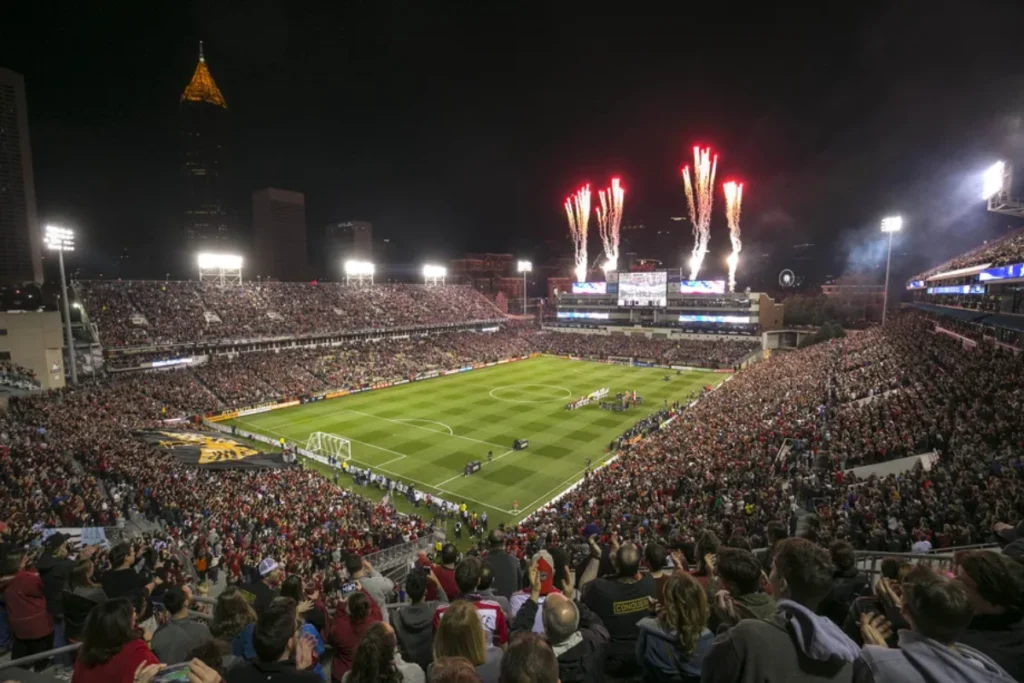
For many international student-athletes, NCAA Division I is the very first term they encounter. Famous universities featured on television, massive stadiums, professional athletic facilities, and thousands of cheering fans make Division I incredibly attractive. However, Division I is not automatically the best or smartest choice for every athlete. In this article, we explain how NCAA Division I works behind the scenes, what daily life looks like for a D1 athlete, and what 17 years of placement experience teaches us about making the right decisions.
What is NCAA Division I exactly?
Division I represents the most commercial and media-prominent branch within the governing athletic body, the NCAA. Universities in Division I possess the largest athletic budgets, highly specialized coaching staffs, and facilities that easily match professional European sports clubs.
Yet, massive variations exist within D1:
- Power Conferences (such as the SEC or Big Ten): Multi-million dollar budgets, national TV deals, and elite world-class competition.
- Mid-Major Programs: Highly professional programs with a more regional footprint and a personal campus environment.
It is a misconception to assume that every Division I school shares the same athletic level or financial resources.
The reality of D1: What 17 years of experience teaches us
At Made Scholarships, we have guided European athletes to the United States for over 17 years. If there is one primary lesson we have learned throughout those years, it is this: a famous division name does not guarantee a successful college experience.
Many athletes fixate blindly on the label ‘Division I’, but reality often turns out differently:
Sitting the bench in D1 vs. being a star player in D2 or NAIA
Would you prefer attending a mid-tier D1 school where you see little to no playing time during your freshman or sophomore years? Or would you rather attend a premier university in NCAA Division II or the NAIA where you start immediately, compete for National Championships, and grow exponentially both physically and mentally? In 9 out of 10 cases, the second option is far better for your athletic development and overall enjoyment.
The financial myth: Not everyone receives a Full Scholarship
In Division I, people often assume every rostered athlete automatically receives a Full Scholarship. That is simply not true. Many D1 coaches divide their athletic budget into partial scholarships. In fact, you can often secure a much higher athletic scholarship at a D2 institution, which you can then smartly ‘stack’ with academic merit aid based on your GPA.
What does a week in the life of a Division I student-athlete look like?
Life as a D1 athlete in America is often compared to working a full-time job alongside a full-time academic workload. The pressure to perform is high and the time commitment is intense.
A typical week during the competitive season includes:
- 15 to 20 hours of sports practice.
- Daily strength & conditioning sessions with specialized coaches.
- Mandatory video analysis and team meetings.
- Travel across the country for away games (frequently via commercial flights).
- Mandatory study hours (study hall) on campus.
- Independent study and attending classes.
Managing this schedule requires exceptional discipline and time management.
What about admissions and scholarships in Division I?
To compete in Division I, you must clear two separate certification evaluations through the NCAA Eligibility Center:
- Athletic Certification: Evaluates your athletic background and ensures you haven’t earned money that jeopardizes your amateur status.
- Academic Certification: Requires a minimum 2.3 core-course GPA for Division I.
D1 coaches are permitted to award athletic scholarships. The size of your scholarship depends on your athletic level, team positional needs, and the university’s total cost of attendance.
Who is NCAA Division I the right choice for?
Division I can be a fantastic step provided your profile and expectations align 100%. D1 is ideal for athletes who:
- Compete at a high national or international level, or within academy teams of professional clubs.
- Intentionally choose an intense topsport environment with high performance pressure.
- Possess exceptional skills to strictly balance academics and athletics.
- Are comfortable fighting hard for playing time during their first year.
When is another division or association a smarter choice?
We advise athletes to look beyond D1 when:
- You want immediate playing time: In D2, D3, or the NAIA, you are more likely to earn starting minutes sooner.
- You seek a better balance: You want to excel in sports and academics while still enjoying American campus life and social activities.
- You do not meet entry requirements: For example, if your GPA is too low or you lack the required high school core courses.
Make the right choice for your future
Don’t let social media hype or outside opinions dictate your decision. This is about your growth, your education, and your future.
During a free and non-binding intake consultation, we draw upon our 17 years of experience to evaluate your athletic level, high school grades, and budget. Together, we will identify the universities and athletic divisions that offer you the absolute best path to success.