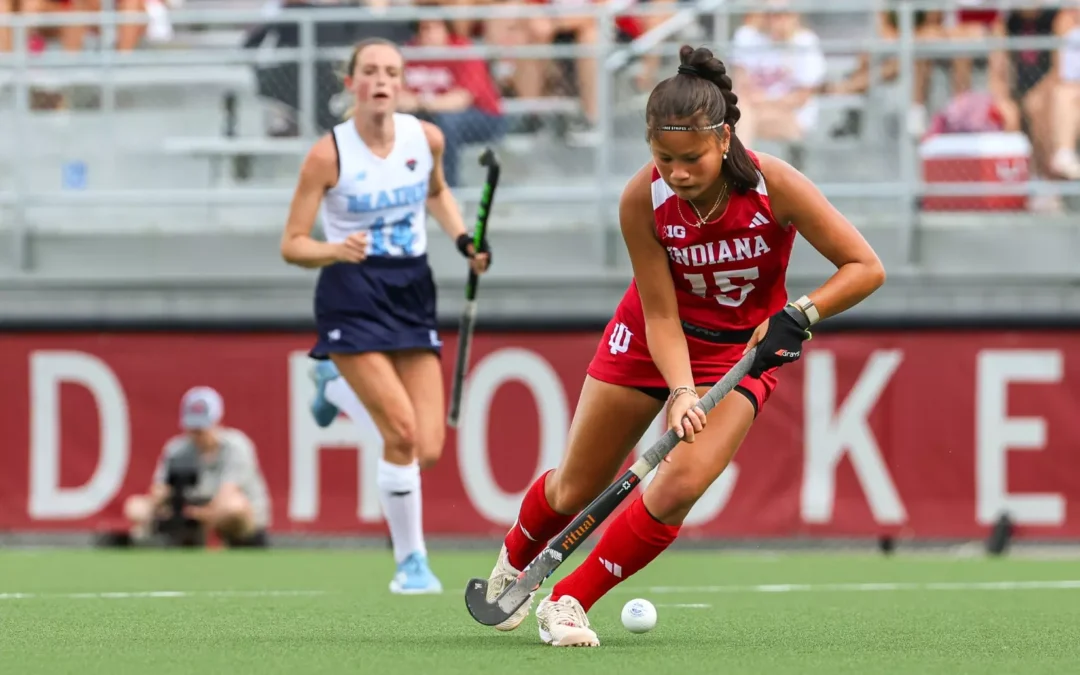

College athletic scholarships can be a fantastic opportunity for talented student-athletes to pursue both their academic and athletic passions simultaneously. These scholarships can be a game-changer for gifted athletes, but several myths surround them. Let’s debunk five of the most common misconceptions about college athletic scholarships:
1. Everyone receives a full scholarship:
One of the biggest misconceptions is that all student-athletes are awarded full-ride scholarships. In reality, only a small percentage of athletes receive full funding. Most scholarships are partial, covering a portion of the athlete’s tuition, room, and board. Therefore, most athletes will have the best chance of having their college education funded by seeking a combination of athletic and academic scholarships plus financial aid.
2. Scholarships are non-negotiable:
Most of the time, a coach will offer a prospective student-athlete the most they can give. However, if you feel like you should be receiving more athletic aid than what is offered, you are allowed to express that. If you are high on his recruiting list, a coach may offer additional athletic aid, an academic scholarship, or may promise more funding for future years.
It is important to know that scholarship amounts are not locked in for the remainder of your college career. You can negotiate your scholarship for each of the next three years. You will have the best chance of increasing your scholarship if you perform well and become a more valuable part of the team’s roster.
3. Scholarships are guaranteed for four years:
Athletic scholarships are typically awarded on a yearly basis, renewable each academic year. Athletes must maintain their performance levels on the field and remain in good academic standing to keep their scholarships. A decline in performance could lead to the scholarship being reduced or not renewed for subsequent years. In case of a season-ending injury, a student can take a redshirt year. In the event of a career-ending injury, most universities will try to find a solution with the student-athlete, so they can graduate.
4. Every college provides athletic scholarships:
While most NCAA Division I, Division 2, NAIA, and NJCAA sports programs offer athletic scholarships, the NCAA Division 3 and some conferences do not. However, It is certainly possible for a student-athlete competing in here, to receive financial aid through academic funding or financial need base funding in order to make it affordable.
5. Scholarships are solely for elite athletes:
The last on the list of misconceptions about college athletic scholarships is that athletic scholarships are only for top athletes. While NCAA Division I universities often recruit top-tier athletes, there are scholarship opportunities for a wide range of skill levels at other divisions, including Division II and III, NAIA, and NJCAA. You do not have to play at the top level of your sport to be a student-athlete. Many colleges and universities value athletes who possess strong abilities and dedication, offering them the chance to develop their skills further at the collegiate level.
Are you interested in playing college sports in the USA? Contact us today to learn more about how to get a scholarship.